
Fear-Based Messaging in Liberal Media and Its Influence on Marginalized Communities

Liberal-leaning media outlets – from TV networks and newspapers to progressive podcasts – have increasingly sounded the alarm about threats to marginalized groups in certain states. Coverage often emphasizes a climate of fear that leads some queer, BIPOC, and disabled people to consider drastic measures like uprooting their lives. Below, we explore examples of this messaging, examine the accuracy of urgent relocation claims, discuss the psychological and practical impacts on communities, and highlight voices urging caution and mindful decision-making.
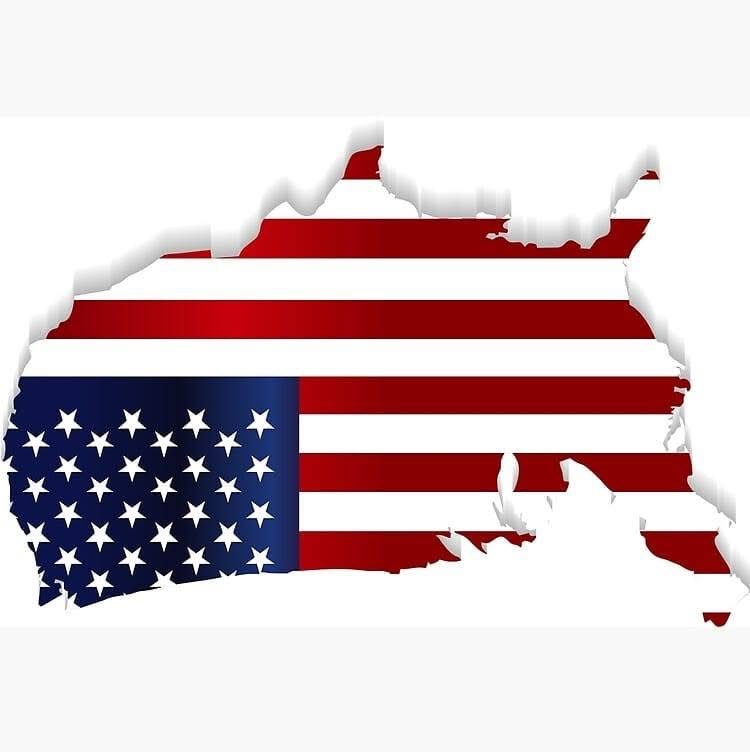
Examples of Urgent Relocation Narratives in Liberal Media
• News Reports Highlighting “Exodus” Fears: Liberal outlets frequently report that new laws in conservative states are driving vulnerable groups to flee. For instance, The Guardian noted that “swathes of LGBTQ+ Americans” are “migrating or want to migrate due to anti-LGBTQ+ sentiment in their states.” The article pointed to Florida’s SB 254 (which restricts gender-affirming care) and other measures, saying such laws create fear that life is becoming “unlivable” – even citing a realtor’s “Flee Red States” initiative likened to an internal refugee program . Similarly, NPR has profiled families of transgender youth leaving states like Texas and Florida. One NPR story followed a Florida teen who “felt [state] officials were threatening her health care and ability to feel safe at school,” leading her family to help her relocate to a “safer” state . The piece noted that multiple other families were “also moving or planning to leave Florida” under the onslaught of anti-trans policies .
• Progressive Podcasts Sounding Alarms: Popular left-leaning podcasts echo these narratives. For example, an episode of It Could Happen Here (a podcast about social breakdown) bluntly asked “Should You Flee the United States?” Hosts discussed whether marginalized demographics should escape an increasingly hostile political climate and examined “the politics of escape” . Such discussions, while hypothetical, reinforce a sense of urgency among listeners. Other progressive podcasts and radio shows (on platforms like Crooked Media or NPR’s Code Switch) have featured conversations about queer and BIPOC individuals weighing moves from “red states” to “blue states” for safety.
• Legacy Print Media and Opinion Columns: Liberal newspapers and magazines have published stories of people preemptively relocating or taking drastic action out of fear. After the overturning of Roe v. Wade, for instance, many LGBTQ couples feared “their rights could evaporate” next . An AP article (carried by the Los Angeles Times) reported that panicked same-sex couples inundated lawyers’ offices to secure legal protections, with one attorney noting “a lot of people [are] scared and, I think, rightfully so.” Some couples even rushed to move “now to square away” medical or parental rights just in case . Major outlets like MSNBC and The New York Times have also aired segments or published analyses warning that anti-LGBTQ or anti-diversity laws in states like Florida, Texas, and others are creating an atmosphere of “fear and uncertainty” for targeted residents . These reports often highlight striking statistics – for example, a UCLA/Clark University study found more than half of LGBTQ parents in Florida have “considered leaving” the state due to the so-called “Don’t Say Gay” law, and nearly 9 in 10 said they worry the law makes their children “less safe” . Such coverage amplifies the idea that an exodus is underway.
Fact-Checking Dire Relocation Claims
While the fears reported in liberal media have a basis in real policies and incidents, not all extreme claims withstand scrutiny. Fact-checkers have debunked some of the most alarmist rumors, injecting nuance into the conversation:
• Florida “Kidnapping” Rumors: As Florida debated SB 254 in 2023, panicked social media posts (echoed in activist circles) claimed the state could “kidnap trans kids” from supportive parents. PolitiFact examined the bill and concluded this claim was false – the law did not give Florida unilateral power to snatch children. Rather, it allowed Florida courts temporary emergency jurisdiction in certain interstate custody disputes involving gender-affirming care . In other words, Florida could intervene in custody only if, say, divorced parents from different states disagreed about a child’s care – a far cry from state agents “kidnapping” children at will. PolitiFact noted the bill’s language was confusing and could be misused, but it firmly rejected the most extreme interpretations . This fact-check helped quell an outright panic by clarifying that visiting Disney World wouldn’t put trans teens at risk of state removal, as some had feared.
• Scope of Anti-LGBTQ Laws: Liberal media often describe new state laws as existential threats, but it’s important to verify how immediate and sweeping these threats are. For instance, Florida’s law banning gender-affirming care for minors (and restricting it for adults) is indeed severe, but it does not criminalize transgender people’s mere existence. Claims that “just being trans in Florida” could lead to arrest or persecution are exaggerated. In reality, the laws target specific actions (medical treatments, drag performances in certain venues, classroom discussions, etc.). That distinction matters – the climate is hostile and many people feel unsafe, yet it’s not true that all LGBTQ individuals in those states face instant legal danger. Fact-checkers and legal experts have emphasized these nuances even as they acknowledge that the fear itself is genuine. Notably, mental health professionals observe that even proposed bills cause distress: “Bills don’t have to pass to cause harm,” said Jennifer Evans, a clinical psychologist who works with trans youth in Florida . Simply hearing about a bill that might target one’s family can induce anxiety. In short, the urgency portrayed in media coverage has some factual basis (e.g. actual laws, real hate incidents) but can sometimes outpace the likely near-term reality. Verifying the specifics – through outlets like PolitiFact, Snopes, or expert analysis – helps marginalized people discern which threats are imminent and which are more speculative.
• Migration Statistics: Reports of mass “flight” from red states should also be viewed with context. Surveys show many are considering relocation, but far fewer actually relocate immediately. For example, in the Florida LGBTQ parents study widely cited on MSNBC and elsewhere, 56% of respondents said they thought about moving, yet only 17% had taken steps toward it . This gap suggests that, while fear is widespread, most families are not uprooting overnight. Some may never move unless things worsen, or they may be taking a “wait and see” approach despite what headlines imply. This doesn’t negate the trend – it simply underlines that decisions to relocate are complex and often slow, not rash. Media that only highlight the larger figure (people considering leaving) without the follow-up (how many do leave) might inadvertently exaggerate the sense of an urgent mass exodus.
Psychological and Practical Impacts of Media-Induced Fear
Constant doom-laden messaging can take a real toll on marginalized communities’ mental health and decision-making. Liberal media’s focus on threats is usually well-intentioned (to inform and warn), but the emotional impact on those communities is profound:
• Heightened Anxiety and Trauma: Psychologists are observing spikes in stress among LGBTQ youth and others who are barraged with negative news. “I’m seeing more anxiety, more depression,” reported Dr. Evans in Florida, noting that many of her young trans patients feel “the government doesn’t want me to exist” . This kind of messaging – that one’s home state is effectively persecuting people like you – can be internalized as trauma. Community members may develop hypervigilance, anger, or hopelessness in response. Black and brown Americans, too, have described a mental burden from media stories about racist violence or voter suppression. Repeated exposure to such stories, often framed as a march toward authoritarianism or “Jim Crow 2.0,” understandably erodes one’s sense of safety. Mental health experts warn that living in constant fear (even of a real threat) narrows a person’s focus to survival mode, which can disrupt daily life and long-term planning . In marginalized groups, who may already face higher baseline stress, this can worsen outcomes like hypertension, anxiety disorders, or PTSD-like symptoms.
• Rushed or Difficult Life Decisions: Feeling cornered, some individuals make life-changing decisions under duress. Media coverage that highlights phrases like “life unlivable” or “political persecution” can reinforce the idea that escape is the only option. Indeed, people have begun “fleeing…their own country” as one Texas real estate agent put it, referring to clients he’s helped move from states like Texas, Alabama, and Tennessee to more liberal areas . In one dramatic example, a trans family cited in The Guardian decided to leave the U.S. entirely rather than move to a “safe” U.S. state, because they feared anti-LGBTQ hatred might soon spread nationally. “My fear with the safe states is, what if the US passes federal anti-LGBTQ+ laws?” the mother said, opting to go abroad in one decisive leap . Such urgent decisions can carry their own hardships: financial strain, loss of community, and the trauma of displacement. Queer and trans folks who relocate often leave behind support networks and extended family – a major practical impact that media stories don’t always dwell on. And for those who cannot easily move (due to poverty, disability, or family roots), the relentless messaging about “get out now” can induce despair and powerlessness. “It’s becoming actively dangerous for us here…Why is the response always, you guys can just move?” said one Indiana woman, who is queer and disabled, noting that her family couldn’t afford to uproot and start over . Hearing “Move out!” over and over, when moving is not feasible, only adds to her anxiety. This highlights a key practical reality: relocating is a complicated, expensive process, not a simple solution – a nuance sometimes lost in fear-based narratives.
• Community Fragmentation and “Brain Drain”: Another consequence is that marginalized communities in hostile regions may dwindle, as those with the means leave. Liberal media have covered how abortion bans are driving doctors out of certain states, and how anti-trans laws are prompting specialized clinicians and families to relocate. For example, MSNBC’s Morning Joe discussed the exodus of OB-GYN doctors from states with abortion bans, leaving behind a care vacuum. Likewise, NBC News reported on LGBTQ couples moving to states they feel will better safeguard their marriages and parental rights . While these departures can protect individuals, they also sap local communities of advocates, allies, and talent. The practical impact is that those who remain (often the most vulnerable with the fewest resources to move) become even more isolated – a phenomenon some activists lament as a “brain drain” from red states. Progressive media sometimes acknowledge this bind: fleeing may save a family, but it can also inadvertently make things worse for neighbors left behind. This adds a moral weight to the decision that can be psychologically taxing. People must weigh personal safety against solidarity – a heavy burden amplified by media narratives of looming doom.
Voices Urging Caution and Resilience
Importantly, not all progressive voices advocate for panic or flight. Many activists, writers, and community leaders are urging people to slow down and make mindful choices in response to these threats. They emphasize resilience, strategic action, and caution against making fear the only driver:
• “Stay and Fight” Perspectives: Some LGBTQ and BIPOC leaders in conservative states argue that not everyone should (or can) leave, and that there is value in “staying to fight” for one’s home. “We are not going anywhere,” declared J. Clapp, a Black trans activist in North Carolina, in a recent newsletter. Clapp continues her drag performances and community work despite proposed bans, reasoning that no place in the U.S. is “universally safe” anyway, and fleeing isn’t a guaranteed solution . This viewpoint – “nowhere to run, so stand your ground” – is a check against defeatism. It reminds frightened community members that they do have allies and agency locally. Likewise, feminist writers have bristled at the ease with which online commentators tell people to “just move” after events like abortion bans or racist incidents. In a piece on Jezebel pointedly titled “Stop Telling People in Red States to Move,” one abortion rights advocate argued that glibly suggesting relocation ignores those who can’t leave and “drowns out vital work being done on the ground.” Dismissing an entire region as hopeless, she said, is “a colonialist, white supremacist way of looking at travel, at land” – implying that it’s a privilege of the well-off to simply relocate from danger . These voices call on progressive communities to support each other where they are, rather than abandon marginalized folks in hostile areas. They encourage channeling fear into local activism (such as voting, organizing, and legal challenges) instead of immediate flight.
• Calls for Mindful Decision-Making: Other experts counsel a measured approach for those genuinely considering relocation. Rather than reacting in panic, people are urged to plan carefully – weighing the pros and cons, securing jobs or housing in advance, and having a support system in the new location. Some activists have created guides for “red-state refugees” to help families relocate safely if they choose to. On the flip side, progressive commentators also stress that leaving is not the only form of resistance. For example, writer Imani Barbarin (a disability rights advocate) has highlighted how disabled people may lack the option to move, so communities must rally to protect them in place. The overarching theme is mindfulness: yes, be aware of threats, but don’t make life choices solely out of terror. One family law attorney in Minneapolis noted that after the Roe v. Wade ruling, a big part of her job was actually “helping people remain calm about the future” even as they took legal precautions . In practice, this meant advising same-sex couples on wills and adoption papers (sensible steps) without succumbing to unfounded hysteria that marriage equality would vanish overnight. Many community leaders echo this balanced approach – urging folks to secure their rights and make contingency plans (e.g. get a second passport, save emergency funds) but also to take a breath. Decisions like uprooting one’s family or leaving the country are best made with a clear head, not in a frenzy of fear.
• Messages of Solidarity and Hope: Alongside warnings, liberal media sometimes amplify messages of hope, which serve as a counterbalance to fear. For instance, even as NPR’s report described the heartbreak of a trans teen leaving Florida, it ended on a note of resilience: the teen’s parents stayed behind specifically to keep fighting for trans kids in their state – “committed to continuing to fight…while she’s away” . They expressed hope that their family could be reunited in Florida in the future if things improve. Such stories, along with coverage of nationwide pro-LGBTQ+ protests and court victories, remind marginalized audiences that all is not lost. Progressive outlets like Slate and The New York Times have published essays encouraging readers to support organizations on the front lines and to not give in to “doom-scrolling.” The clear subtext is that collective action can change conditions in those very places people are afraid of. Even the NAACP and LGBTQ groups issuing travel advisories for places like Florida frame them as calls to awareness and resistance, not permanent surrender. The NAACP advisory, for example, was meant to galvanize political pressure by drawing attention – effectively saying “be informed and prepared, but fight for change”.
In summary, liberal media’s intense focus on threats to marginalized communities has a double-edged effect. On one hand, it shines a light on very real dangers – from anti-trans laws to racist violence – and empowers people with information to protect themselves. This coverage has prompted many to take safety measures, up to and including relocation, in the face of hostile environments. On the other hand, the drumbeat of fear-based messaging can induce panic and fatalism, pressuring individuals into drastic decisions and exacerbating anxiety. The most responsible voices in these media spaces strive to present the facts with context and compassion: yes, there are reasons to be alarmed (and we’ll report them truthfully), but don’t let fear alone drive your choices. Instead, they encourage informed, deliberate action – whether that means moving to a safer place with a plan, or staying put and finding ways to push back against injustice.
Sources:
• Taylor, Kate. The Guardian – “It’s been a total witch-hunt…: the LGBTQ+ families fleeing red states” (June 6, 2023) .
• Colombini, Stephanie. NPR (All Things Considered) – “As conservative states target trans rights, a Florida teen flees for a better life” (May 11, 2023) .
• Reeves, Jay (AP). Los Angeles Times – “Fearful after abortion ruling, many LGBTQ couples are updating their legal status” (July 1, 2022) .
• Goldberg, Abbie E. – Williams Institute/UCLA Survey on Florida’s ‘Don’t Say Gay’ Law (2023), as reported by The 19th and The Hill .
• Abels, Grace. PolitiFact – “No, Florida can’t ‘kidnap’ trans kids under proposed law…” (May 4, 2023) .
• Jezebel – “Stop Telling People in Red States to Move…” (May 3, 2022) .
• Additional: MSNBC/NBC News coverage of anti-LGBTQ laws (2023) ; It Could Happen Here podcast (Nov. 2022) ; Guardian interview with J. Clapp ; NPR interview with J. Evans .
The liberal media is really concentrated on mobilizing the party by fear, ridicule and speculation, which I think doesn't do it huge favors. It's good if it causes people to take on the streets and demonstrate, but I feel like it also makes it harder to focus on the important issues (if everything is on fire all the time). Really good points on the fight & flight response hurting long-term planning. The left should be concentrated on how to gain political power, not on running away.
Describing the New York Times as a progressive outlet regarding trans issues is wildly misleading. They have consistently pushed anti-trans stories, ignored pro-trans stories, used sources without credibility or expertise, and have rarely consulted actual trans people in stories about trans people. They might be considered liberal regarding cis women's rights, but certainly not trans women's rights.